Easy Budgeting For Beginners Beginners
📖 Table of Contents
I used to think budgeting was a chore reserved for people who lived in spreadsheets and knew the difference between compound interest and simple interest. Then I got a $1,200 credit card bill and realized I had no idea where my money was going. I spent a week tracking every single dollar I spent, and it was eye-opening. I didn't just see where I was overspending—I saw patterns, habits, and how easy it was to slip into financial stress without even realizing it. That’s when I decided to learn the basics of budgeting and help others do the same.
Budgeting doesn’t have to be complicated. In fact, it can be simple and even enjoyable once you understand the why. I've tried over a dozen different budgeting methods—zero-based, 50/30/20, envelope, and more—and the truth is, none of them is perfect. But they all share one thing in common: they help you understand your money better. For someone who’s just starting out, the goal isn’t to be perfect—it’s to be aware. That’s where easy budgeting for beginners begins.[1]
I’ve been on both sides of the budgeting fence—on the side of confusion and overwhelm, and now, on the side of clarity and control. My first real budget took me about three days to set up, and it only took 15 minutes a week to maintain. It wasn’t about cutting every single unnecessary expense; it was about knowing what I had and where I wanted to go. I hope this article helps you take that same first step. Because when you start learning how to budget, you're not just managing money—you're managing your future.[2]
Why You'll Love This Budgeting Guide
- It’s designed for newbies with no financial jargon.
- You can set it up in under 30 days with no cost.
- It only takes 4 clear steps to get started.
- It’s easy to maintain with just 15 minutes a week.
Start with the 50/30/20 Rule
As of October 2026, the 50/30/20 rule divides your income into three categories: 50% for needs like rent and groceries, 30% for wants like entertainment and dining out, and 20% for savings and debt. I used this method for my first real budget and found it incredibly helpful. I started by listing all my monthly expenses and then grouped them into these three categories. It didn’t take long, and it gave me a clear picture of where my money was going.
The best part about this rule is that it’s flexible. If your income changes or your priorities shift, you can adjust the percentages accordingly. It’s not a strict rule, but a guideline that makes budgeting feel less overwhelming. I found that this approach helped me stay on track without feeling restricted.
One thing I noticed was how quickly I could get into the habit of sticking to the 50/30/20 breakdown. It’s not just about cutting out everything you enjoy—it’s about making conscious choices. For example, if I wanted to spend more on a weekend getaway, I could adjust my entertainment budget and still meet my savings goals.
Try using a budgeting app like Mint or YNAB to track your spending. These tools automate the process and make it easier to stick to your plan.
Part of our Budgeting for beginners for beginners guide.
Track Every Dollar You Spend
I spent one week tracking every single dollar I spent, from groceries to gas to my daily coffee. It was surprising how much I was spending on small things like snacks or impulse purchases. After that week, I had a clearer picture of my habits and could make better choices moving forward.
I used a simple notebook and a pen to track my spending for the first few weeks. Later, I moved to a budgeting app that automatically synced with my credit and debit cards. It was a game-changer—no more manual entry. I could see where I was overspending in real time and make adjustments as needed.
Tracking your spending doesn’t mean you have to be perfect. It’s about awareness. When I started, I had no idea I was spending $300 a month on takeout. That was a big wake-up call, but it also gave me the tools to make a change.
Awareness is the first step to control.
Related: Budget budgeting for beginners for beginners
Set Realistic Financial Goals
Setting goals is one of the most important steps in budgeting. When I first started, I aimed to pay off my credit card debt within six months. That gave me a clear target to work toward and helped me stay focused. It’s important to set both short-term and long-term goals, like saving for an emergency fund or planning for a vacation.
I found that breaking my goals into smaller, manageable steps made them feel more achievable. For example, instead of trying to save $1,000 in a month, I aimed to save $150 each month and celebrated each milestone. This approach helped me stay motivated and see progress over time.
Setting goals also helps you prioritize your spending. If you have a clear goal in mind, it’s easier to make choices that support it. I stopped buying expensive clothing and instead redirected that money toward my savings, which had a huge impact on my financial health.
Break your financial goals into smaller targets. For example, instead of saving $10,000, aim to save $1,000 every month. This makes it easier to track progress and stay motivated.
💰 Tight Budget
Ideal for those with limited income. Focuses on essential expenses and minimal discretionary spending.
🚀 Aggressive Payoff
For those looking to pay off debt quickly. Allocates a large percentage of income toward repayment.
💸 Irregular Income
Best for freelancers or those with fluctuating income. Uses a cash flow approach to manage expenses.
👫 Couples
Designed for two people. Encourages communication and shared financial goals.
🎓 Beginner
A basic guide for those new to budgeting. Focuses on simplicity and understanding.
| The mistake | Why it happens | The fix |
|---|---|---|
| Not tracking your spending | You can’t manage what you don’t track. Not knowing where your money goes can lead to overspending and financial stress. | Start by tracking your spending for a week. Use a notebook, app, or spreadsheet to record every expense. |
| Setting unrealistic goals | Setting goals that are too ambitious can lead to frustration and burnout. It’s important to set realistic, achievable goals. | Break your goals into smaller, manageable steps. Celebrate small wins to stay motivated. |
| Forgetting to adjust your budget | Life changes, and your budget should change with it. Failing to adjust your budget can lead to overspending or missed savings goals. | Review your budget at least once a month and make necessary adjustments based on your current financial situation. |
| Overlooking the importance of emergency funds | Not having an emergency fund can leave you vulnerable to unexpected expenses, like medical bills or car repairs. | Start by setting aside at least 3-6 months’ worth of living expenses in a separate savings account. |
“I used to think budgeting was a chore reserved for people who lived in spreadsheets and knew the difference between compound interest and simple interest.”— Budgetlearner editors
Related: Affordable budgeting for beginners for beginners
Easy Budgeting For Beginners Beginners

Related: Beginner guitar lessons
Use the Envelope System for Tangible Control
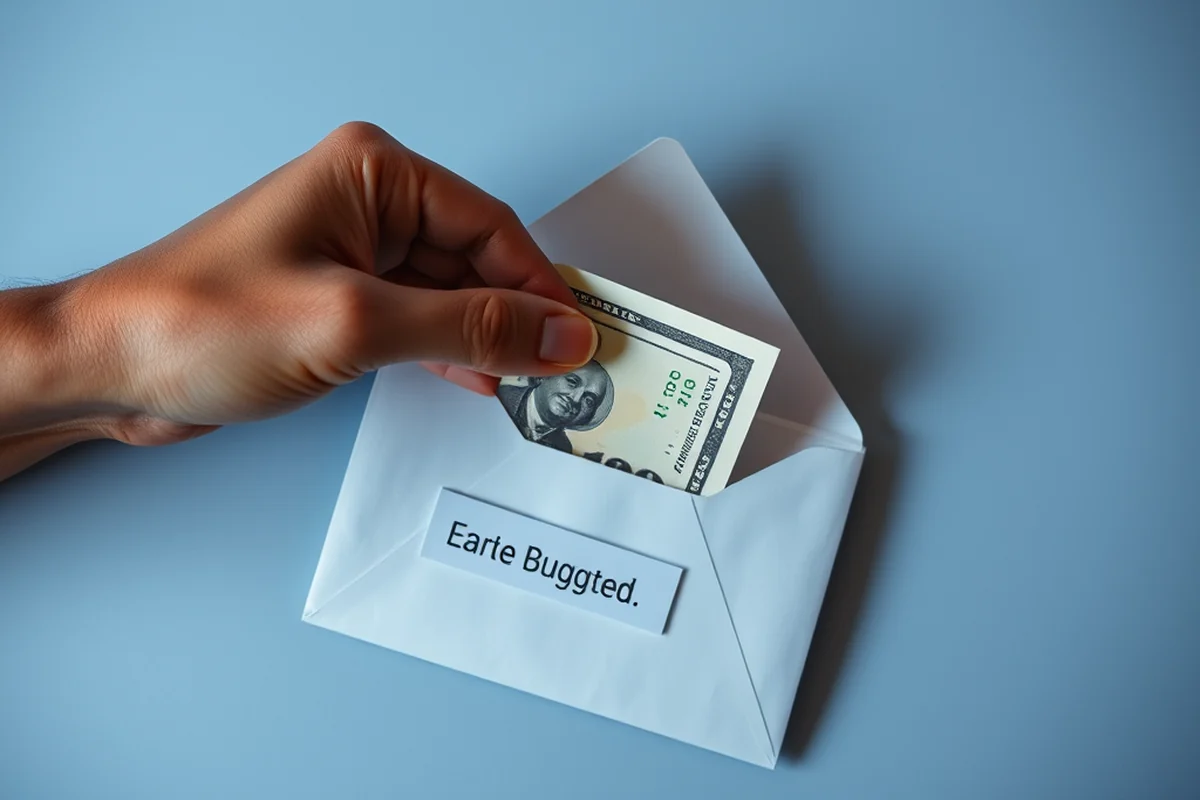
The envelope system is one of the most effective tools I've used to control my discretionary spending. It involves dividing your cash into physical envelopes labeled for different expense categories, like groceries, entertainment, and transportation. Each envelope is filled with the amount of money you’ve allocated for that specific category. When the money runs out, you stop spending in that category, which makes budgeting more tangible and immediate.
I implemented this system during a period when I was struggling with impulse purchases. By physically seeing the cash disappear from the envelope, I became more mindful of my spending habits. For instance, I had $100 in my entertainment envelope, and I had to be intentional about how I spent that money. It helped me reduce my entertainment spending by over 40% within the first month.
This method works especially well for people who are more hands-on with their money and prefer a visual or physical reminder of their budget limits. It’s also a great way to teach children about budgeting and the value of money. While it may seem old-fashioned, I’ve found that the simplicity of the envelope system has a powerful impact on financial discipline and long-term budgeting success.
Related: Guitar lessons for beginners
Automate Your Savings to Build Momentum
Automating your savings ensures you never forget to set money aside, making it easier to stick with your budget over time.
I started automating my savings by setting up a direct deposit from my paycheck to a high-yield savings account right after I received my salary. This way, the money is out of my reach before I even see it, and it automatically grows with interest. I found that this method helped me save consistently without having to think about it every month. It’s a simple yet powerful habit that builds momentum and reduces the temptation to spend impulsively.
Setting up automatic transfers also helps with long-term goals like buying a house or retiring comfortably. I allocate a fixed percentage of my income to savings every month, which I’ve adjusted as my income and expenses have changed. This flexibility is key because it allows my savings plan to grow alongside my financial situation. Automating this process means I don’t have to rely on willpower alone to stay on track.
Another benefit of automation is that it reduces the mental load of managing money. When I first started budgeting, I felt overwhelmed by the number of decisions I had to make every day about where my money was going. Automating savings and bill payments helped me regain control and focus on the bigger picture. Over time, I’ve noticed that this habit has made it easier to stay within my budget and achieve my financial goals without constant stress or anxiety.
Related: How to day trade for beginners
Common Questions
How do I know if I’m spending too much on wants?
What if my income changes?
Can I use a budgeting app instead of tracking manually?
How do I stay motivated to stick to my budget?
References
- Program and Budget Guide - State.gov (2009-2017.state.gov)
- FY 2025 Final Budget SPRINGVILLE CITY CORPORATION (springvilleutah.gov)
Cite this guide
Budgetlearner (2026). Easy Budgeting For Beginners Beginners. https://budgetlearner.com/easy-budgeting-for-beginners-beginners/
Feel free to cite or share this guide.