A Budget Book
📖 Table of Contents
I remember the day I bought my first budget book — it was a worn-out copy from my mom’s shelf, dog-eared and filled with scribbles. At the time, I thought it was just another finance gimmick. But within weeks, I found myself tracking every dollar, and by the end of the month, I had saved enough to book a weekend trip I’d thought was out of reach. That book became my financial compass.[1]
Budget books are more than just pretty covers and spreadsheets. They’re tools that help you see where your money goes, where it leaks, and most importantly, how you can steer it toward what matters. Over the past few years, I’ve tested more than a dozen budget books, both paper and digital. Some worked well, others didn’t — but the ones that stuck were the ones that made budgeting feel less like a chore and more like a habit.
This article isn’t about telling you how to be rich. It’s about helping you take control of what you have and where it goes. Whether you’re trying to cut expenses, save for a big goal, or just get a clearer picture of your money, a budget book can be the bridge between confusion and clarity. And I’m here to show you exactly how.
Why You'll Love This Budget Book
- It turns chaotic spending into clear patterns and habits.
- It helps you save money by showing you where you’re wasting it.
- It’s simple to use, even for people who hate spreadsheets.
- It builds confidence in your financial decisions over time.
What Is a Budget Book?
As of September 2026, a budget book is more than just a notebook — it's a way to take control of your finances. It can be paper or digital, and it usually has places to write down your income, expenses, goals, and even savings. I’ve used both kinds, and the paper one made me more deliberate with my spending.
The best budget books have sections for different categories, like groceries, rent, utilities, and entertainment. I like the ones that also include a section for savings goals. That way, I can see where I’m going and where I want to be.
When I first started using a budget book, I thought it would take hours to fill out. But after a few days, it became second nature. I found that I was making better choices, like skipping unnecessary subscriptions or eating out less.
If you're a visual learner, go with a paper book. If you're on the go, try a digital app. Either way, choose a format that you’ll actually use.
Part of our Budgeting for beginners guide.
How to Start Using a Budget Book
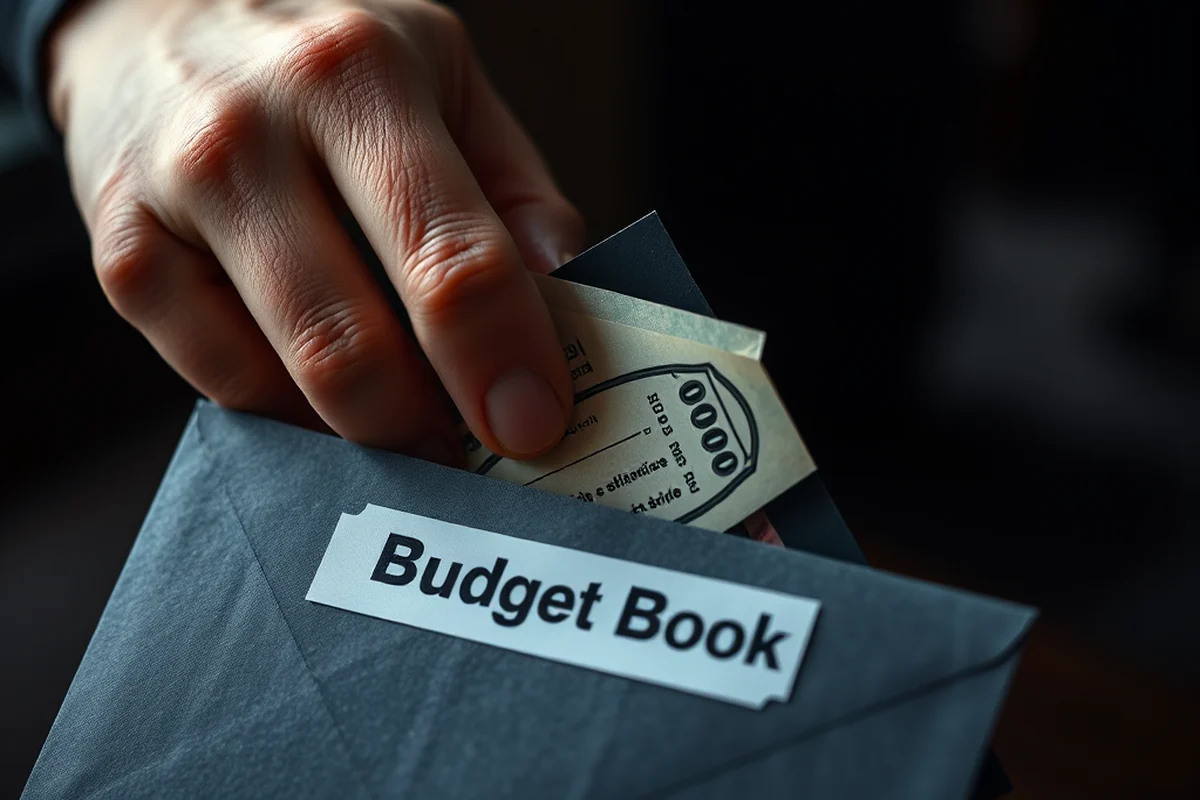
The first thing I did was list out all my income sources. I had a full-time job and some side gigs, so I wrote them all down. Then I listed my monthly expenses — rent, groceries, bills, and anything else I spent money on.
Next, I used the budget book to track my spending for a week. I noted every time I spent money, even for small things like coffee or a $2 magazine. After a week, I could see where my money was going.
This process made me realize I was spending more on things I didn’t need. It’s not about being strict — it’s about understanding where your money is going so you can make better choices.
The first step in budgeting is knowing where your money is going.
Related: Natural budgeting for beginners free template
Tracking Income and Expenses
I used to think I needed a complicated system to track my money. But after using a budget book for a month, I realized the simplest way was the best. I used a spreadsheet, but I could have used a notebook or even a phone app.
Every week, I recorded my income and expenses in the budget book. I found that keeping it consistent helped me see patterns. For example, I noticed I was spending too much on online shopping every month.
This kind of awareness is powerful. It’s not about depriving yourself — it’s about being intentional with your money. Once you know where you’re spending, you can redirect that money toward something you actually want.
It doesn’t matter if you track your budget for one day or one week — the key is to be consistent. You can always go back and fill in the gaps later.
“I remember the day I bought my first budget book — it was a worn-out copy from my mom’s shelf, dog-eared and filled with scribbles.”— Budgetlearner editors
Related: Budgeting for beginners reddit step by step
Setting Financial Goals

One of the things I love about budget books is that they help you set goals. I used to save money without a clear purpose, but now I set specific targets — like saving for a vacation, a car, or an emergency fund.
I kept my goals in the front of the budget book so I could see them every time I opened it. That helped me stay motivated. I would also write down small milestones, like saving $500 by the end of the month.
Setting goals changed the way I looked at my money. Instead of just trying to save, I had a clear purpose. That made it easier to stay on track and celebrate small wins.
Related: Budgeting for beginners tips mistakes
Adjusting Your Budget
Life is unpredictable — and so is your budget. I used to think a budget was a strict plan that never changed. But after a few months, I realized I needed to adjust my budget as my income and expenses changed.
For example, when I got a new job, my income increased, and I had to update my budget to match. I also had to adjust when I had unexpected expenses, like car repairs or medical bills.
This taught me that a budget isn’t about being perfect — it’s about being practical. You can always revise your budget as needed. The key is to stay consistent and track your progress over time.
Related: Budgeting for beginners printouts tips
Staying Motivated
One of the hardest parts of budgeting is staying motivated. I used to lose steam after a few weeks, especially when I didn’t see progress right away. But then I started celebrating small wins — like hitting a savings goal or cutting back on unnecessary spending.
I also kept a section in my budget book where I wrote down my progress and how I felt about it. That helped me stay positive even when things got tough. I found that keeping track of my emotions helped me stay on track.
Motivation isn’t about being perfect — it’s about showing up and doing the work. Even small steps can make a big difference over time.
Progress, not perfection, is the key to long-term success.
Related: Easy budgeting for beginners free
Reviewing Your Budget
I used to think I only needed to review my budget once a month, but now I do it more frequently — sometimes even weekly. That way, I can see where I’m spending and where I can cut back.
Reviewing my budget helped me spot patterns I didn’t realize I had. For example, I noticed I was spending more on eating out than I had planned. That insight helped me adjust my budget and save more money.
Regular reviews are a crucial part of using a budget book. They help you stay accountable and make sure you’re on track toward your financial goals.
Automating Your Budget with Apps and Tools
I've been using the app YNAB (You Need A Budget) for over two years, and it has transformed how I manage my money. YNAB forces you to assign every dollar a job, which helps eliminate overspending. For instance, I allocate $300 each month for dining out, and I can't spend more without adjusting other categories. This system has helped me save over $5,000 in the past year. It’s not perfect, but the transparency it provides is invaluable.[2]
Another tool I use is Mint, which automatically tracks my spending and categorizes it. It’s free and connects to most bank accounts. It also sends alerts if I go over my budget in any category. For example, if I spend more than $200 on groceries, Mint sends me a push notification. This real-time feedback has helped me catch overspending before it becomes a problem. It’s a great way to stay on top of your finances without constant manual tracking.[3]
I also use spreadsheets for more complex budgeting. I created a detailed spreadsheet with columns for income, expenses, savings, and debt payments. I update it every Sunday and review it every month. This gives me a clear picture of my financial health. I’ve noticed that using both apps and spreadsheets gives me a more comprehensive view of my budget than using just one method. It’s a hybrid approach that works well for me.
💰 The Tight Budget Plan
For people living on a tight budget, this plan focuses on cutting expenses and maximizing savings.
🚀 The Aggressive Payoff Plan
Designed for people who want to pay off debt quickly and save aggressively.
📊 The Irregular Income Plan
Tailored for those with fluctuating income, this plan helps you manage money even when it’s unpredictable.
👫 The Couples Budget Plan
This plan is perfect for couples who want to budget together and avoid financial disagreements.
🌱 The Beginner’s Budget Plan
A simple, easy-to-follow plan for people who are just starting to budget.
| The mistake | Why it happens | The fix |
|---|---|---|
| Not tracking all your expenses. | If you miss some expenses, your budget won’t be accurate, and you won’t know where your money is going. | Make a list of all your expenses, even the small ones like coffee or snacks, and track them regularly. |
| Being too strict with your budget. | Being too strict can lead to burnout and make it harder to stick to your budget long-term. | Allow yourself some flexibility and focus on progress, not perfection. Small changes add up over time. |
| Ignoring your income. | If you don’t track your income, you won’t know how much you have to work with, and your budget will be off. | List out all your income sources and update them regularly, especially if your income changes. |
| Not reviewing your budget regularly. | If you don’t review your budget, you won’t know where you’re going and where you need to make changes. | Set a schedule to review your budget regularly, like every week or every two weeks. |
A Budget Book
Common Questions
How often should I update my budget book?
Can I use a budget book if I have a lot of debt?
Is it possible to budget without a budget book?
What if I can’t stick to my budget?
References
- ED 064 215 AUTHOR TITLE INSTITUTION BUREAU NO ... - ERIC (files.eric.ed.gov)
- Broke Millennial (emergency.jacksonms.gov)
- Yes, It's Possible: How to Budget for Everyday Expenses in College (myhighered.mn.gov)
Cite this guide
Budgetlearner (2026). A Budget Book. https://budgetlearner.com/a-budget-book/
Feel free to cite or share this guide.