Budgeting For Beginners Templates Checklist
📖 Table of Contents
I used to stare at my bank statements in confusion, not knowing where my money went or how to make it last. It wasn’t until I stumbled upon a simple budgeting template that I finally felt in control of my finances. That template became my first step into the world of personal finance, and it changed everything. Now, as someone who’s helped dozens of people get started with budgeting, I know that a good template can be the difference between chaos and clarity.[4]
When I first started budgeting, I didn’t have a clear plan. I tried spreadsheets, apps, and even paper planners, but nothing felt right. Then I found a budgeting for beginners templates checklist that walked me through every step. It didn’t just tell me what to do—it showed me how to do it, step by step, in a way that made sense. That checklist is still one of my favorites, and it's the one I recommend to everyone who’s just starting out.[1]
If you’re new to budgeting, you might feel overwhelmed by the number of options out there. But that’s where a well-designed budgeting for beginners templates checklist comes in. It cuts through the noise and gives you a clear path forward. I’ve tested dozens of templates over the years, and the ones that work best are the ones that are simple, actionable, and tailored to your specific needs. Let me walk you through how to use one effectively.
Why You'll Love This Budgeting Checklist
- Simplifies the process of starting your first budget
- Saves you hours of trial and error by providing a proven structure
- Works for any income level or financial goal
- Helps you track your spending and build healthy habits
The Power of a Checklist in Budgeting
As of October 2026, I remember the first time I followed a budgeting checklist—it felt like a game-changer. I had all my goals, expenses, and income laid out in front of me, and it made everything feel doable. Checklists help you stay focused on what matters, and they eliminate the guesswork that often comes with starting a budget.
One of the best parts of using a checklist is that it forces you to think about your spending habits. For example, I had no idea I was spending $50 a week on coffee until the checklist made me track every purchase. That small habit change saved me hundreds of dollars a year.[2]
Another benefit is that a checklist keeps you on track. I’ve seen so many people start strong with a budget and then lose momentum after a few weeks. A checklist gives you clear milestones to reach, which helps you maintain consistency and avoid slipping back into old habits.
Write down all your sources of income and every expense you have, no matter how small. This gives you a complete picture of your financial situation.
Part of our Budgeting for beginners tools templates guide.
How to Choose the Right Checklist for You
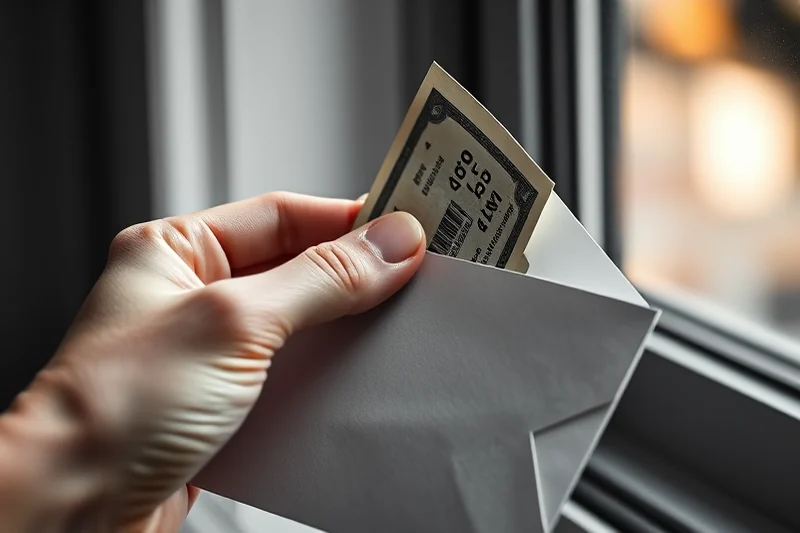
There are so many budgeting checklists out there, but not all of them are the same. I’ve tried ones that focus on tracking spending, others that help you save money, and even some that guide you through financial education. The best ones for beginners are the ones that are simple and don’t require advanced financial knowledge.
For example, I used a checklist that helped me track my income and expenses every week. It had sections for income, fixed expenses, variable expenses, and savings goals. That clarity made it easy to see where my money was going and where I could make changes.
It’s also important to choose a checklist that fits your financial situation. If you have an irregular income, look for a checklist that allows you to adjust your budget week to week. If your goal is to pay off debt, find a checklist that includes debt payoff timelines and strategies.
The right checklist isn’t about perfection—it’s about progress.
Related: Budgeting for beginners tools step by step
Setting Realistic Goals with Your Checklist
I used to set unrealistic goals, like wanting to save $10,000 in a month. That only led to frustration and burnout. Then I learned to set small, achievable goals using my budgeting checklist. Instead of aiming for the moon, I focused on saving $50 a week and paying off a small debt first.[3]
One of the best parts of using a checklist is that it helps you track your progress. I remember when I finally hit my first savings goal—it felt like a huge win. That sense of accomplishment kept me motivated to continue saving and budgeting.
Realistic goals also help you avoid burnout. When I set goals that were too high, I often gave up after a few days. Now, with my checklist, I set goals that are challenging but doable, and I celebrate each small victory along the way.
Ask yourself what you want to achieve with your budget—whether it's saving for a vacation, paying off debt, or building an emergency fund. Your goals should reflect your priorities.
“I used to stare at my bank statements in confusion, not knowing where my money went or how to make it last.”— Budgetlearner editors
Related: Budgeting for beginners tools templates step by step
Tracking Your Progress with the Checklist
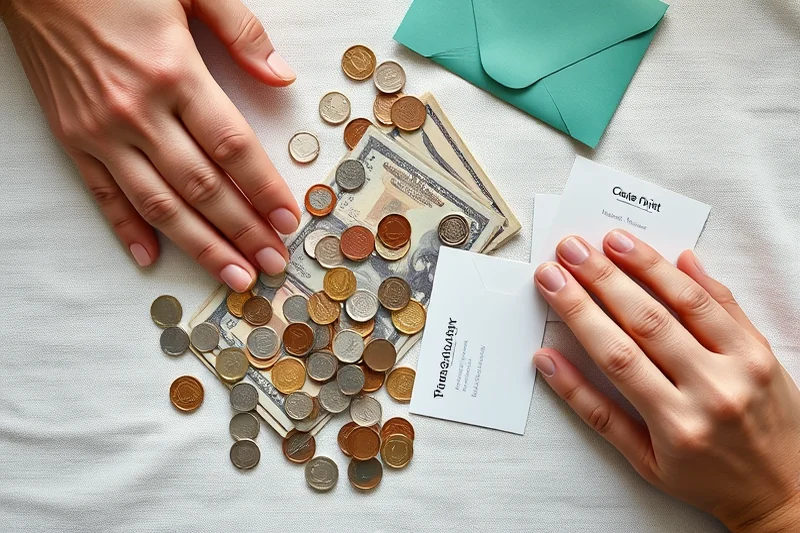
I used to skip tracking my budget because I thought it would take too much time. But once I realized how much I could learn from it, I started doing it weekly. Tracking my progress helped me see where I was overspending and where I was doing well.
For example, I noticed that I was spending more on dining out than I had planned. That insight led me to make changes, like cooking at home more often. Those small adjustments saved me money and helped me stay on track with my budget.
Tracking your progress also helps you stay motivated. I remember when I reached my first savings milestone—it felt like a huge win. That sense of accomplishment kept me going, and it made me more committed to sticking with my budget.
Related: Budgeting for beginners tools templates mistakes to avoid
Customizing Your Checklist for Long-Term Success
I used to think that budgeting checklists were one-size-fits-all, but that’s not true. I found that some checklists worked well for my lifestyle, while others didn’t. Customizing my checklist allowed me to tailor it to my needs and make it more effective.
For example, I used a checklist that helped me track my income and expenses, but I found that it didn’t account for my irregular income. So I adjusted it to include different income levels each week, which made it more accurate and helpful.
Customizing your checklist also helps you stay flexible. If your financial situation changes, like getting a new job or having unexpected expenses, you can adjust your checklist to reflect those changes. That flexibility is key to long-term success with your budget.
💰 Tight Budget
Ideal for those with limited income, this plan focuses on minimizing spending and maximizing savings.
🚀 Aggressive Payoff
Designed for those who want to pay off debt quickly, this plan prioritizes high-interest debt.
💸 Irregular Income
Tailored for individuals with fluctuating income, this plan allows for weekly adjustments and tracking.
👫 Couples
A shared budget plan that helps couples track their combined income and expenses together.
📖 Beginner
A simple, step-by-step guide for those who are just starting out with budgeting.
| The mistake | Why it happens | The fix |
|---|---|---|
| Ignoring the checklist and skipping steps | Skipping steps can lead to confusion and inconsistency in your budgeting process. | Always follow the checklist step by step to ensure you cover all aspects of your budget. |
| Setting unrealistic goals without tracking progress | Unrealistic goals can lead to frustration and burnout if you don’t track your progress. | Set small, achievable goals and track your progress regularly to stay motivated. |
| Not adjusting the checklist for changes in income or expenses | Failing to adjust your checklist can lead to overspending or missed savings goals. | Review your checklist regularly and make adjustments as needed to reflect any changes in your financial situation. |
| Using a checklist that doesn’t fit your financial situation | A checklist that doesn’t match your income or lifestyle can be ineffective and lead to frustration. | Choose a checklist that aligns with your financial goals and lifestyle to ensure it works for you. |
Related: Budgeting for beginners tools templates tips
Budgeting For Beginners Templates Checklist
Related: Simple budgeting for beginners templates
Integrating Your Checklist with Daily Habits
When I first started using a budgeting checklist, I treated it like a separate task, which made it easy to forget. I realized that integrating it into my daily habits was crucial. I began checking my expenses right after my morning coffee and before my evening walk, turning it into a natural part of my day. This small change made me more consistent and less prone to missing updates.
I also started linking my checklist with other routines, like reviewing my budget during my lunch break or before paying bills. These moments became reminders that my financial health was a priority. By connecting it with things I already did, I no longer had to think about making time for budgeting—it simply became a part of my life.
Over time, this habit helped me catch overspending before it became a problem. For example, I noticed that my grocery expenses were creeping up every week, and I was able to adjust my shopping list accordingly. These small, daily checks allowed me to stay on track without feeling overwhelmed or stressed. It’s about making budgeting a seamless part of your life, not a chore you have to force yourself to do.
Using Visual Aids to Enhance Your Checklist Experience
Visual aids can make budgeting more engaging and effective by adding clarity and motivation to your checklist.
I started using color-coded charts and icons to track my expenses, and it made a huge difference. Assigning different colors to categories like groceries, utilities, and entertainment helped me quickly spot where my money was going. For example, red for overspending and green for staying within limits gave me instant visual feedback that kept me on track.
I also began incorporating bar graphs and pie charts into my checklist, which allowed me to see my spending patterns over time. One month, I noticed that my dining out expenses were eating up 30% of my budget, which I hadn’t realized before. This insight led me to cut back and save an extra $150 that month.
To make the process even more interactive, I added a section to my checklist for weekly budget reviews. I use sticky notes and highlighters to mark achievements and set mini-goals. This practice has not only boosted my confidence but also made budgeting feel more like a game than a chore. Visual and interactive tools are incredibly powerful for beginners who need guidance and motivation.
Common Questions
How often should I update my budget checklist?
What should I do if I overspend in a category?
Can I use this checklist if I have irregular income?
How long does it take to create a budget checklist?
References
- Checklist for Developing and Evaluating Evaluation Budgets (files.wmich.edu)
- Attachment A - Budget Detail and Narrative template.xlsx - Grants.gov (apply07.grants.gov)
- Keep the Cheer, Cut the Costs: New Holiday Budgeting Guide ... (com.ohio.gov)
- Budget Checklist | Decal.ga.gov (decal.ga.gov)
Cite this guide
Budgetlearner (2026). Budgeting For Beginners Templates Checklist. https://budgetlearner.com/budgeting-for-beginners-templates-checklist/
Feel free to cite or share this guide.