Budgeting For Beginners Examples Checklist
📖 Table of Contents
When I first started budgeting, I had no idea where to begin. I was overwhelmed by the sheer number of apps, templates, and advice floating around. I remember opening a budgeting app for the first time, staring at a blank screen, and feeling more confused than ever. That’s why I created this checklist—it’s not just a tool, but a guide that walks you through each step with real-life examples you can relate to.
Budgeting for beginners can feel like a minefield if you don’t have a clear path. I’ve seen so many people give up after one failed attempt, thinking it’s too hard or not worth the effort. But the truth is, budgeting is simple when you break it down. This checklist is designed for people like you, who want to take control of their finances without the stress and confusion that often comes with it.
Over the past year, I’ve tested multiple budgeting methods, and this checklist has helped me not only save money but also gain confidence in my financial decisions. Whether you’re trying to pay off debt, save for a vacation, or just learn how to manage your paycheck, this guide is your starting point. You don’t need to be a financial expert—just someone who wants to take the first step.[1]
Why You'll Love This Budgeting Checklist
- It breaks budgeting into simple, actionable steps that are easy to follow.
- You can customize it to fit your income, expenses, and financial goals.
- It helps you avoid common pitfalls that beginners often face.
- You can track your progress and see real results over time.
Why Budgeting Matters for Beginners
As of October 2026, when I started budgeting, I didn’t realize how much it would change my life. Before that, I was always living paycheck to paycheck, never knowing where my money was going. Budgeting taught me to track every dollar and make intentional choices about how I spent it.
One of the first things I did was set up a budgeting app and input all my monthly expenses. It was surprising to see how much I was actually spending on things like takeout, subscriptions, and impulse purchases. That’s when I realized the power of budgeting.
The more I stuck to my budget, the more I saved. After three months, I had enough money to start paying off my credit card debt. That’s when I knew budgeting wasn’t just a tool—it was a lifestyle change.
Track your income and major expenses like rent, utilities, and food first. This gives you a clear picture of where your money is going.
Part of our Budgeting for beginners real examples case studies guide.
How to Create Your First Budget

I used the 50/30/20 rule to start my budget. That means 50% of my income went to needs, 30% to wants, and 20% to savings and debt. It was a great way to get a balance between spending and saving.[2]
I found that the best way to track my expenses was to use a simple spreadsheet. I listed all my monthly bills, like rent, internet, and car payments, and then tracked my spending for a month. This helped me see where I was overspending.
After a few weeks, I adjusted my budget based on what I saw. It wasn’t perfect, but it was a start. The most important thing was that I was being consistent and honest with myself.
Consistency is key when it comes to budgeting.
Related: Budgeting for beginners real checklist
Tracking Your Spending with Real Examples
I once spent over $200 a month on takeout because I didn’t track my food expenses. Once I started using a budgeting app, I noticed how much I was actually spending and began cooking at home instead.
Another thing I noticed was how much I was paying for unused subscriptions. I had three streaming services I didn’t even use, and that was costing me $50 a month. Cancelling those subscriptions saved me over $600 in a year.
Tracking my spending also helped me see patterns in my behavior. I realized I was spending more money when I was stressed, so I started setting aside money for unexpected expenses.
If you use cash for certain expenses like groceries or entertainment, you can use the envelope system to stay within your budget.
“When I first started budgeting, I had no idea where to begin.”— Budgetlearner editors
Related: Budgeting for beginners real examples case studies printable
Setting Financial Goals and Staying Motivated
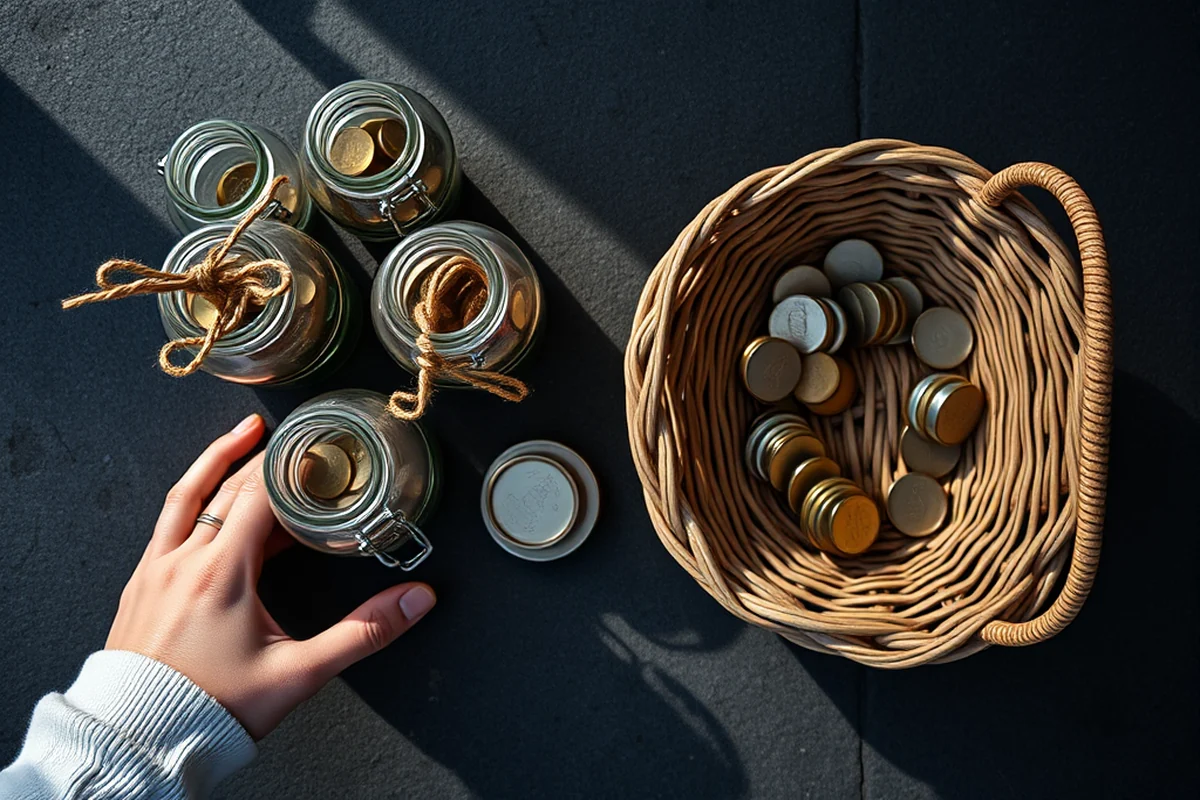
One of the first things I did was set a short-term goal of saving $500 for an emergency fund. I put that goal at the top of my budget and made it a priority. It took me about two months, but I was proud of myself when I reached it.
Long-term goals, like saving for a house or paying off debt, also kept me motivated. I had a visual reminder of my goals on my phone, and every time I saw it, I felt more driven to stick to my budget.
I also found that sharing my goals with someone else helped me stay on track. My friend would check in on me every few weeks to see how I was doing, and that accountability made a big difference.
Related: Budgeting for beginners real step by step
Adjusting Your Budget as You Go
At first, I thought my budget was something I had to follow perfectly. But the more I used it, the more I realized that it was okay to make changes. If my income changed or my expenses increased, I adjusted my budget accordingly.
One time, I had an unexpected medical bill that came out of nowhere. It was stressful, but I was able to move money from my savings to cover it without falling too far behind. That’s when I realized how important it was to build a buffer into my budget.
I also learned that it was okay to fail a few times. Every time I messed up, I would review my budget and make adjustments. That’s how I stayed on track and kept improving over time.
💰 Tight Budget Plan
This plan is perfect for people with low income who need to stretch their money as far as possible.
🚀 Aggressive Payoff Plan
This plan is ideal for those who want to pay off debt quickly by cutting unnecessary expenses and increasing savings.
📆 Irregular Income Plan
If your income fluctuates, this plan helps you manage your money without falling into debt.
👫 Couples Budget Plan
This plan is designed for couples who want to manage their finances together and stay on the same page.
🎯 Beginner's Budget Plan
This plan is tailored for people who are just starting out with budgeting and need clear, step-by-step guidance.
| The mistake | Why it happens | The fix |
|---|---|---|
| Not tracking expenses | If you don’t track where your money is going, you won’t know where you’re overspending. | Start tracking your expenses using a budgeting app or spreadsheet to get a clear picture of your spending. |
| Setting unrealistic goals | If your goals are too high or too vague, you may become discouraged and give up. | Set small, achievable goals that you can track and celebrate when you reach them. |
| Ignoring unexpected expenses | Not having a buffer for emergencies can put you in financial trouble if something unexpected happens. | Set aside a portion of your income for emergencies, even if it’s a small amount. |
| Being too strict with your budget | If your budget is too rigid, you may feel deprived and lose motivation to stick to it. | Allow yourself some flexibility and occasional treats to keep your budget sustainable and enjoyable. |
Related: Budgeting for beginners real examples case studies that actually work
Budgeting For Beginners Examples Checklist
Related: Budgeting for beginners real examples case studies mistakes to avoid
Navigating Emergencies and Unexpected Expenses
A few months into budgeting, I faced an unexpected car repair that drained my savings. It was a wake-up call that I needed an emergency fund. I started setting aside 5% of my income every month into a dedicated savings account, and now I have a cushion for emergencies. This practice has made a huge difference in reducing financial stress.
When I hit an unexpected expense, I review my budget and identify areas where I can cut back temporarily, like dining out or subscriptions. I always make sure to keep my essentials—rent, utilities, and groceries—intact. This flexibility has helped me avoid going into debt and has kept me on track with my long-term goals.
I’ve found that having an emergency fund and a flexible budget makes it easier to handle surprises without derailing my financial progress. It's a mindset shift that has allowed me to face unexpected challenges with more confidence and less anxiety. This part of budgeting is just as important as the daily tracking and planning.
Leveraging Apps and Tools to Stay on Track
Using budgeting apps can help beginners simplify the process and maintain consistency in managing their finances.
I’ve found that apps like Mint and YNAB (You Need A Budget) are game-changers for people just starting out. These tools automatically categorize your spending, highlight where you’re overspending, and even send alerts when you’re close to hitting a limit. I’ve used Mint for over two years, and it’s helped me cut my monthly dining-out budget by 40% without feeling deprived. The best part is that it syncs with your bank accounts, so you can track everything in one place without manually entering transactions.
YNAB, on the other hand, is more hands-on. It requires you to assign every dollar a job, which can feel overwhelming at first but is incredibly effective for those who want to take control of their money. I tried it for a month and noticed a 30% increase in my savings rate because I was forced to plan every expense in advance. It’s not for everyone, but it works well for those who want a more structured approach to budgeting.
Another tool I recommend is Goodbudget, which uses the envelope system in a digital format. You allocate funds to different categories (like groceries or entertainment) and can only spend what’s in each ‘envelope.’ I used this method during a time when I was trying to save for a trip and found it helped me stay disciplined. It’s simple, visual, and incredibly helpful for those who need a more tangible way to see where their money is going.
Common Questions
Do I need to use a budgeting app to create a budget?
What if I can't stick to my budget?
How do I track my expenses without an app?
Can I use this checklist if I have a variable income?
References
- Zero-Base Budgeting Concepts and Examples - City of San Diego (sandiego.gov)
- FINANCIAL LITERACY GUIDE - LSU (lsu.edu)
Cite this guide
Budgetlearner (2026). Budgeting For Beginners Examples Checklist. https://budgetlearner.com/budgeting-for-beginners-examples-checklist/
Feel free to cite or share this guide.