Budgeting Tools For Students
📖 Table of Contents
- Why Budgeting Tools Are Essential for Students
- The Best Budgeting Apps for Students
- How to Set Up a Budgeting App in 4 Easy Steps
- The Benefits of Using a Budgeting Tool
- How to Choose the Right Budgeting Tool for You
- How Budgeting Tools Help with Emergency Savings
- How to Stay Motivated While Using a Budgeting Tool
- How to Customize Budgeting Tools for Unique Student Needs
- Make It Your Way
- Frequently Asked Questions
I remember the first time I tried to track my expenses as a student. It was a chaotic mix of coffee runs, late-night pizza, and a textbook I forgot to budget for. I had no idea where my money was going, and by the end of the month, my bank account was empty. That’s when I realized I needed a better way to manage my money — and that’s where budgeting tools for students came in.
Budgeting tools for students are not just about numbers and spreadsheets. They’re about giving you clarity, control, and a roadmap to financial freedom even when your income is limited. I’ve tested several tools over the past two years. I want to share what worked — and what didn’t — so you don’t have to go through the same trial and error I did.
From apps that sync with your bank accounts to simple spreadsheets that only take a few minutes a week to update, there are options that can help you stay on top of your finances without adding stress to your already busy life. Let’s explore the tools that really make a difference.
Why You'll Love This Guide to Budgeting Tools for Students
- Get real-time insights into your spending with apps that sync with your bank accounts.
- Track your expenses without spending hours on spreadsheets.
- Set financial goals that actually help you save, not just spend.
- Stay in control of your money with tools designed for students, not just professionals.
Why Budgeting Tools Are Essential for Students
As of September 2026, As a student, your income is often limited — and your expenses can feel endless. Whether it’s textbooks, groceries, or unexpected bills, it’s easy to find yourself in a financial pickle. That’s where budgeting tools for students come in. They help you stay on top of your money without the stress.
I used a budgeting app that auto-synchronized with my bank account, and within a week, I could see where I was overspending. It turned out I was buying coffee every day, which added up to over $100 a month. That’s a small price for a big change.[1]
These tools not only help you see where your money is going, but they also give you the power to make better financial decisions. It’s like having a personal financial assistant in your pocket.
Track your income and expenses for one week first. This will help you understand where your money is going.
Part of our Budgeting for beginners step by step guides guide.
The Best Budgeting Apps for Students
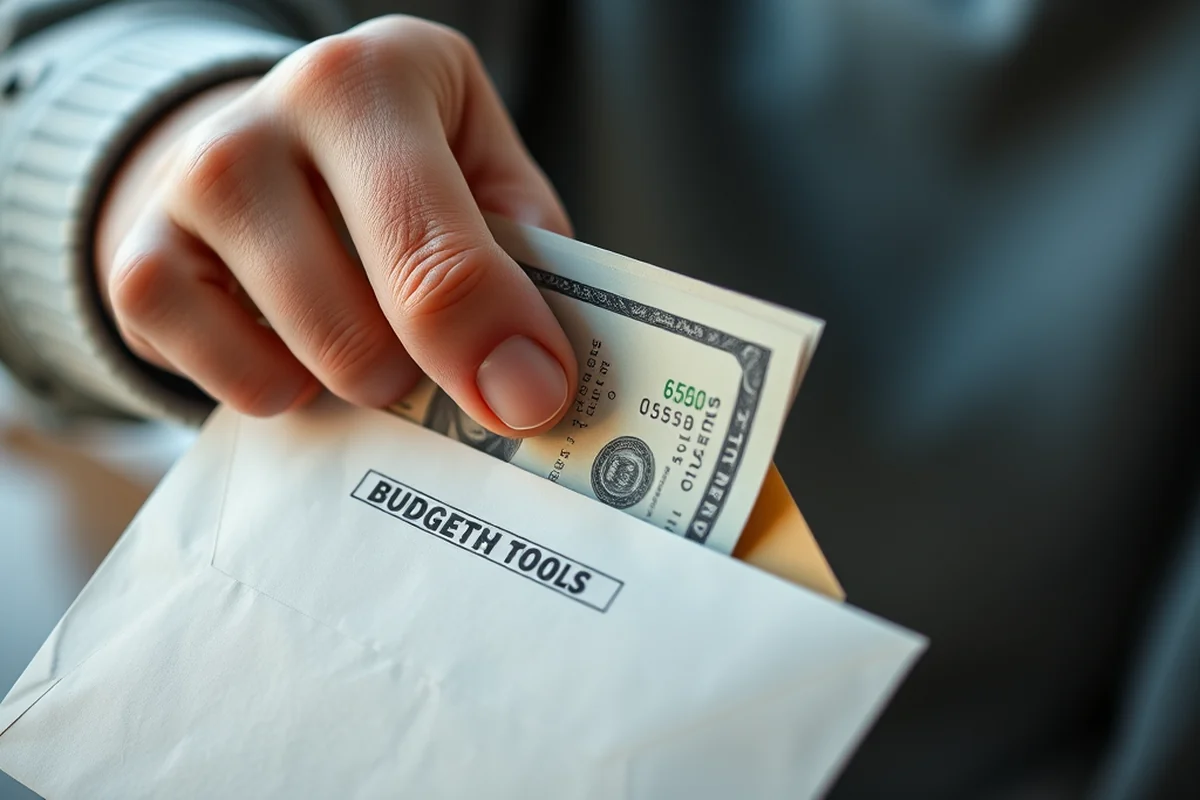
Not all budgeting apps are created equal, and I’ve tried a few that didn’t work well. But the best ones — like YNAB (You Need A Budget) and Goodbudget — are designed specifically for people with limited income and unpredictable expenses.
YNAB, in particular, helped me change the way I thought about money. It forces you to assign every dollar a job, which made me more intentional with my spending. After using it for a few months, I was able to save 20% of my income, which I never thought possible.[2]
Goodbudget is another favorite. It uses the envelope system, which I found helpful for keeping track of money in different categories like groceries, entertainment, and transportation.
YNAB made me see my money in a whole new light.
Related: Budgeting for beginners step that actually work
How to Set Up a Budgeting App in 4 Easy Steps
Setting up a budgeting app doesn’t have to be complicated. I followed a simple four-step process that worked perfectly for me. First, I linked my bank account. Second, I categorized my income and expenses. Third, I set a budget for each category. Finally, I reviewed my progress weekly.
It only took me about 15 minutes to set everything up, and after that, I only needed to spend 10 minutes a week updating my budget. That’s the kind of time investment that’s sustainable for students with busy schedules.[3]
By following these steps, I was able to track my expenses accurately and make better financial decisions without overcomplicating my life.
Set a reminder to review your budget every week. This will help you stay on track and make adjustments as needed.
“I remember the first time I tried to track my expenses as a student.”— Budgetlearner editors
Related: Budgeting for beginners guides for beginners
The Benefits of Using a Budgeting Tool

One of the biggest benefits of using a budgeting tool is that it helps you avoid debt. When I first started using YNAB, I realized I was spending more than I earned in certain categories. That pushed me to cut back on non-essential expenses and start saving.
I also noticed that I was more aware of my spending habits. For example, I used to buy a lot of snacks on campus, but once I saw the cost in my app, I started bringing my own meals instead. That alone saved me about $50 a month.[4]
Another benefit is that budgeting tools help you stay focused on your financial goals. Whether it’s saving for a trip or paying off student loans, these tools make it easier to track your progress and stay motivated.
Related: Best budgeting for beginners guides
How to Choose the Right Budgeting Tool for You
With so many budgeting tools available, it can be overwhelming to choose the right one. I found that the best approach is to consider your financial habits and lifestyle. For example, if you have a regular income and like to plan ahead, YNAB might be the best fit.
On the other hand, if you have irregular income or prefer a more flexible approach, apps like Goodbudget or Mint might work better. Mint, for instance, has a lot of features that help you track your spending and set financial goals.
I recommend trying a few different tools to see which one works best for you. It’s also a good idea to look for apps that are free or have a low cost, especially if you’re on a tight budget.
Related: Simple budgeting for beginners step
How Budgeting Tools Help with Emergency Savings
One of the most important parts of financial planning is building an emergency fund, but it can be hard to know where to start. Budgeting tools make it easier by letting you allocate a specific amount of money for emergencies.
I set aside 10% of my income for emergencies, and it only took a few minutes to set up. After a few months, I had enough to cover an unexpected car repair, which would have been a disaster without that fund.
These tools also help you track how much you’ve saved so far. That visual feedback can be a big motivator to keep going, even when it’s tempting to spend on other things.
An emergency fund can save you from financial disaster.
Related: Budgeting for beginners step for small spaces
How to Stay Motivated While Using a Budgeting Tool
Using a budgeting tool is only effective if you stay motivated. I found that setting small, achievable goals helped me stay on track. For example, I aimed to save $50 a month for the first three months, and once I hit that goal, I gave myself a small reward.
Another tip is to review your progress regularly. I made it a habit to check my budget every Sunday and see how much I had saved or spent. That kept me accountable and helped me stay focused on my financial goals.
It’s also important to be kind to yourself if you slip up. Budgeting is a learning process, and mistakes are part of it. The key is to keep going and make adjustments as needed.
How to Customize Budgeting Tools for Unique Student Needs
I also used the 'Custom Categories' feature in YNAB to create a category for 'Study Materials' and another for 'Transportation'. This helped me track my expenses more accurately and avoid overspending on non-essential items. I set a monthly limit of $50 for study materials, which covered all my needs without any leftovers. This level of customization made budgeting feel less like a chore and more like a strategic plan.
I set up a 'Debt Tracker' in my app to monitor my student loans. By entering the interest rates and monthly payments, I was able to see how much I was paying in interest over time. This motivated me to pay off my loans faster and avoid unnecessary fees. I also used the 'Goal Tracker' to save for a summer internship, which required a deposit of $200. By setting a monthly target of $50, I was able to save the required amount in four months.
Finally, I used the 'Expense Reports' feature to analyze my spending habits over the past semester. This showed me that I was spending an average of $100 a month on snacks and drinks, which I was able to cut back on by preparing meals at home. This simple change saved me $600 over the course of a year, which I then used to invest in my education.
💰 Tight Budget
Perfect for students with limited income who need to track every dollar.
🚀 Aggressive Payoff
Ideal for students who want to pay off debt quickly and save aggressively.
💸 Irregular Income
Great for students with unpredictable earnings, like freelancers or part-timers.
👫 Couples
Helps couples track their shared expenses and set joint financial goals.
🌱 Beginner
Simple and easy to use for those new to budgeting and personal finance.
| The mistake | Why it happens | The fix |
|---|---|---|
| Not linking your bank account | This can lead to inaccurate tracking and make it harder to see where your money is going. | Link your bank account to your budgeting tool to get real-time updates on your spending. |
| Ignoring the budget | If you don’t follow your budget, you’ll end up overspending and not meeting your financial goals. | Review your budget regularly and make adjustments as needed to stay on track. |
| Not setting financial goals | Without clear goals, it’s easy to lose focus and spend money on things that don’t matter. | Set specific financial goals, like saving for a trip or paying off debt, and track your progress regularly. |
| Overcomplicating the process | Trying to track every single expense can be overwhelming and lead to burnout. | Start simple and focus on the categories that matter most to you. You can always add more details later. |
Budgeting Tools For Students
Common Questions
Can budgeting tools help with student loans?
Are budgeting tools free?
How do I get started with a budgeting tool?
Can I use a budgeting tool on my phone?
References
- Student budgeting and spending behaviors: a comparative study (academia.edu)
- For Students | AZ Treasury Office - Arizona State Treasurer (aztreasury.gov)
- Highlighting Financial Tips for College-Bound Students and Families (com.ohio.gov)
- Budgeting: How to create a budget and stick with it (consumerfinance.gov)
Cite this guide
Budgetlearner (2026). Budgeting Tools For Students. https://budgetlearner.com/budgeting-tools-for-students/
Feel free to cite or share this guide.