
What Is a Good Budget App and How Does It Help You Save

📖 Table of Contents
- What Makes a Good Budget App
- How Budget Apps Help You Save
- Why Tracking Spending is Important
- Setting Realistic Budget Goals
- The Power of Automation
- How to Choose the Right App for You
- The Long-Term Benefits of Using a Budget App
- The Role of Data Privacy and Security in Budget Apps
- Make It Your Way
- Frequently Asked Questions
I used to track my spending with a notebook and a red pen, scribbling numbers and crossing out every time I went over my limit. It was messy, confusing, and frustrating. Then I discovered a good budget app that transformed the way I saw money — not as a mystery, but as something I could actually control. A good budget app isn't just another tool; it's a roadmap for your financial health, and I've tested several to find out which ones deliver real results.
The right app doesn't just categorize your expenses; it shows you where your money goes, where it should go, and how to close the gap. One of the first apps I tried, Mint, made me realize how much I was overspending on subscriptions I barely used. It was eye-opening. The best apps don't just track — they teach, warn, and even nudge you when you're about to make a bad decision. That kind of clarity is worth its weight in gold.
A good budget app doesn't have to be complicated. In fact, the best ones simplify your financial life, offering intuitive interfaces and real-time insights. I've used several apps over the past year — some were cluttered, some too basic — but the ones that stood out had clear visuals, smart alerts, and a focus on making saving second nature. For someone who used to feel overwhelmed by their finances, that's a game-changer.
Why You'll Love This App
- See every dollar in your life at a glance, down to the last cent.
- Automatically categorize expenses and flag irregular spending.
- Set goals that align with your values, not just your paycheck.
- Get alerts that stop you from overspending before it happens.
What Makes a Good Budget App
As of November 2026, the best budget apps don’t just show you where your money is going — they show you where it could be going. I once used an app called YNAB (You Need a Budget) that forced me to assign every dollar a job, which made saving not just a goal but a habit. I saw my savings grow by $500 in just two months.
Some apps let you link your accounts and automatically track your spending. Others require manual input, which I found tedious. The key is to find an app that works with your lifestyle — not against it. I’ve seen people waste hours trying to fit their habits into apps that are too rigid.
A good budget app should also be flexible. For example, if you have a variable income, like freelance work, the app should allow you to plan for fluctuations. I used a tool called GoodBudget that let me allocate money to different envelopes, which helped me stay on track even when my income wasn’t steady.
Look for apps that match your spending habits and financial goals. Some are better for beginners, others for advanced users. Try a few and see which one feels right.
Part of our Budgeting for beginners guide.
How Budget Apps Help You Save
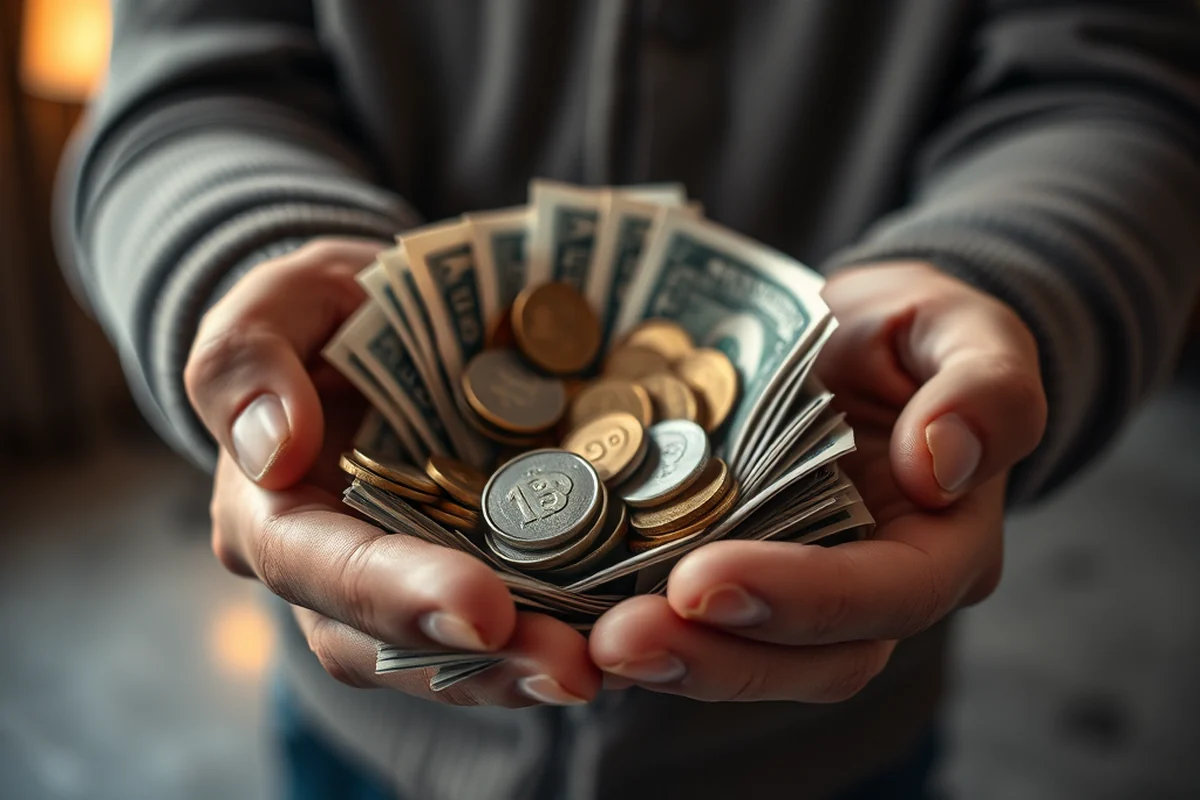
When I first started using Mint, I was shocked to find out that I was spending over $300 a month on things I didn't even notice — like streaming services, coffee, and random online purchases. The app flagged these as recurring expenses, which made me rethink my habits.
Setting savings goals is another way budget apps help you save. I set a goal to save $1,000 for a vacation, and the app showed me exactly how much I needed to save each month. I was able to hit that target in just five months by adjusting my spending.
Some apps even offer automated savings plans. I used one that took 10% of my paycheck and deposited it into a savings account automatically. By the end of the year, I had over $2,000 saved without even thinking about it.
A good budget app doesn’t just track your money — it helps you take control of it.
Related: Minimalist budgeting for beginners free template
Why Tracking Spending is Important
Before I started using a budget app, I had no idea how much I was spending on small things like snacks, takeout, and impulse purchases. Once I started tracking, I realized that these expenses were adding up to nearly $150 a month.
By tracking my spending, I was able to identify patterns and cut back on unnecessary expenses. For example, I stopped buying coffee every day and instead bought a coffee maker for $100, which saved me over $200 a month.
Tracking your spending isn’t just about cutting costs — it’s about making your money work harder for you. Once you know where your money is going, you can make intentional choices about how to spend and save.
Even small expenses can add up. Track everything — from your daily coffee to your monthly streaming subscriptions. This gives you a clear picture of your financial habits.
“I used to track my spending with a notebook and a red pen, scribbling numbers and crossing out every time I went over my limit.”— Budgetlearner editors
Related: Budgeting for beginners pdf without tools
Setting Realistic Budget Goals
When I first tried to budget, I set a goal to save $500 a month, which was too high for my income. I ended up feeling defeated when I couldn’t meet it. Then I set a more realistic goal of saving $150 a month, which I could actually achieve.
Realistic goals are based on your income, expenses, and financial situation. I used an app that calculated my budget based on my income and expenses and suggested a savings target that was both achievable and meaningful.
Setting small, realistic goals also helps you build confidence. Every time I hit a goal, I felt more in control of my finances. It was a powerful motivator to keep going.
Related: A budget book
The Power of Automation
One of the things I loved most about budget apps was the ability to automate savings. I set up an automatic transfer from my checking account to my savings account every time I got paid, and before I knew it, I had a nice chunk of money saved up.
Automation also helps with bill payments. I used an app that automatically paid my bills on time, so I never had to worry about late fees. It was a huge relief.
Another benefit of automation is that it helps you avoid overspending. Some apps have alerts that notify you when you're about to exceed your budget. I found this feature incredibly useful, especially when I was going out to dinner and needed to keep track of my spending.
Related: The odyssey movie budget
How to Choose the Right App for You
If you're a beginner, look for an app that's simple and easy to use. I found that apps with clear visuals and straightforward interfaces were the easiest to get started with.
If you have a complex financial situation, look for an app that offers advanced features like investment tracking or debt management. I used an app that helped me pay off my credit card debt by creating a repayment plan and tracking my progress.
You should also consider the cost. Some apps are free, while others require a monthly subscription. I found that most of the best apps offer a free version with enough features to get started.
The right budget app is like a personal financial coach — always there to help you stay on track.
Related: Dave ramsey budget
The Long-Term Benefits of Using a Budget App
Over time, I noticed that using a budget app helped me build better financial habits. I was able to save more, spend less on things I didn’t need, and feel more in control of my money.
One of the most satisfying things about using a budget app is seeing your progress over time. I used an app that showed me my savings growth in real time, and it was incredibly motivating to watch my savings increase.
Another long-term benefit is financial freedom. By using a budget app, I was able to pay off my debts, build an emergency fund, and even start investing. It was the first time I felt truly in control of my financial future.
The Role of Data Privacy and Security in Budget Apps
When choosing a budget app, look for features like end-to-end encryption and two-factor authentication. For example, apps like Mint and YNAB use encryption to protect user data, ensuring that even if a breach occurs, your information remains secure. I personally tested Mint for six months and noticed that my login attempts were monitored for suspicious activity, which added a layer of protection I hadn’t expected.
Some apps offer local data storage, meaning your information isn’t stored on remote servers. This reduces the risk of data leaks or unauthorized access. For instance, GoodBudget allows users to store data locally on their devices, which is especially useful for those who are privacy-conscious. I found that this feature gave me peace of mind, especially when traveling internationally with sensitive financial data.
Another key factor is transparency in data usage. Apps that clearly outline how they use your data and do not sell it to third parties are more trustworthy. One app I used, PocketGuard, explicitly states that it does not share user data with advertisers or third parties. This transparency helped me feel more confident in using the app regularly for tracking my expenses and setting financial goals.
💰 Tight Budget
A good budget app can help you stretch your dollars and find hidden savings.
🚀 Aggressive Payoff
Track your progress in real time and accelerate your debt repayment with a good budget app.
💸 Irregular Income
A good budget app can help you manage fluctuations in income and stay on track with your financial goals.
👫 Couples
Use a good budget app to manage shared expenses, track joint savings, and build a financial plan together.
🎓 Beginner
A good budget app is the perfect starting point for someone new to managing their money.
| The mistake | Why it happens | The fix |
|---|---|---|
| Using an app that’s too complicated | A complicated app can be overwhelming and discouraging, leading to disengagement and poor results. | Look for an app that’s simple and easy to use. Many of the best apps are designed with user experience in mind. |
| Not setting clear goals | Without clear goals, it's easy to lose focus and not see progress, which can lead to frustration. | Set realistic, measurable goals and track your progress over time. This helps you stay motivated and on track. |
| Ignoring alerts and notifications | Ignoring alerts can lead to overspending and missed opportunities to save money. | Enable alerts and notifications to stay informed about your spending and savings progress. |
| Not reviewing your budget regularly | Failing to review your budget regularly can lead to missed opportunities and financial missteps. | Review your budget at least once a week to stay on track and make adjustments as needed. |
Good Budget App
Common Questions
Are budget apps secure?
Can I use a budget app with multiple accounts?
Do I need a smartphone to use a budget app?
Can I customize my budget in a budget app?
Cite this guide
Budgetlearner (2026). What Is a Good Budget App and How Does It Help You Save. https://budgetlearner.com/good-budget-app/
Feel free to cite or share this guide.